
Feature · The Crew
The Tokyo studio that drew ThunderCats
Animation by Pacific Animation Corporation. In Charge of Production: Masaki Iizuka (飯塚 正樹). Four words and a name on a black title card at the end of every episode that have outlived almost everyone else credited on the show. This is who they were, pulled from the Japan Directors Guild, the Sakuga Wiki, the Japanese Wikipedia, and the people who knew them.
For four seasons and 130 episodes, the closing crawl on every ThunderCats episode passed a single block of text most viewers never paused for. Animation by Pacific Animation Corporation. In Charge of Production: Masaki Iizuka. Below that, ten or so names in Roman alphabet spellings of Japanese given names. Akiyama. Kubo. Nishida. Yatabe. Sato. Koshi. The faintest fingerprint of the people who actually drew the show.
The studio that produced ThunderCats was not, strictly speaking, an anime studio. It did not make anime for Japanese broadcasters. It did not pitch original IP. It had no production committee, no manga adaptation slate, no Akihabara fanbase. Pacific Animation Corporation existed for one reason: to keep drawing American children's television to the standard Topcraft had drawn The Hobbit and The Last Unicorn to, after the parent studio collapsed into Studio Ghibli in 1985 and the Rankin/Bass account had nowhere else to go.
Most of the names on that closing crawl had spent the previous fifteen years at the studios that built post-war Japanese television animation. Mushi Productions, where Osamu Tezuka invented the modern TV anime production model. Tatsunoko, where Speed Racer and Gatchaman came from. Toei, the Disney of the East. By the time ThunderCats started production in 1984 they were senior animators in their thirties and forties, doing what the trade called gaichu, outsourced work for American clients, to keep the lights on between Japanese projects. Several would go on to found studios that defined the next two decades of anime. One was a 22-year-old loaner from a small studio called Giants, who key-animated the entire opening sequence himself and went on to become the closest creative collaborator Hideaki Anno would ever have.
This feature is the result of pulling on those credits. The studio history, the lineage from Topcraft, the names on the screen, what each of them did before and after, and what we know about how the work actually got made. Twelve portfolios sit at the bottom of this page, one per animator we can substantiate as a key contributor, with full bios on the dedicated portfolio pages.
The studio
Pacific Animation Corporation was founded in 1983 by Masaki Iizuka, the long-time Rankin/Bass producer in Japan, together with a group of senior animators who had spent the previous decade at Topcraft. Iizuka had been overseeing the Japanese end of Rankin/Bass productions since the early 1970s; the studio shared an office building with Topcraft for years and the two operations were effectively intertwined.
Topcraft itself had been founded in February 1972 by Toru Hara and a small group of ex-Toei animators in Asagaya, Suginami. Their first job was animating a Rankin/Bass series called Kid Power, based on the Wee Pals newspaper strip, directed by Katsuhisa Yamada and Tokiji Kaburaki, with Tsuguyuki Kubo (窪 詔之) as supervising director. Kubo, born in Taipei in 1942 and a Tatsunoko alumnus who had animated the opening of Speed Racer, became the character-design backbone of Topcraft and a board member of the studio. The studio name was his proposal, "Topcraft" was meant to convey the nuance of "top specialists." The Japanese Wikipedia entry for Topcraft confirms it. He had joined before Hara did.
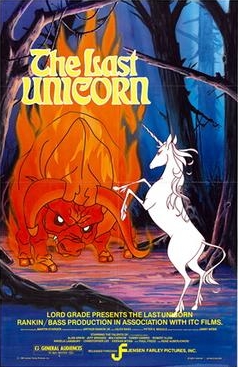
Through the 1970s Topcraft handled progressively more ambitious Rankin/Bass work. 'Twas the Night Before Christmas in 1974. Frosty's Winter Wonderland in 1976. The Hobbit in 1977, a $3 million production that took five years to make, one of the most expensive made-for-TV animation projects of the era. The Return of the King in 1980. The Last Unicorn in 1982. The Flight of Dragons that same year. Each of those titles is, in industry terms, a Topcraft production; in cultural terms several of them now read as proto-Ghibli work, because the same animators were involved.
In 1984 Hayao Miyazaki, who had drawn on Topcraft staff for years on his side projects, chose the studio to produce Nausicaä of the Valley of the Wind. The film was a hit. Miyazaki and his producing partner Isao Takahata hired away more than two-thirds of Topcraft's staff to found Studio Ghibli, which absorbed Topcraft's offices and most of its leadership. Toru Hara went with them.
That left a Rankin/Bass account with no production studio, and a group of senior animators who had not been invited to Ghibli, either by choice or circumstance, and who were now without a home. Iizuka's solution was Pacific Animation Corporation. He set it up in 1983, before Topcraft formally dissolved in June 1985, as a continuity vehicle for the Rankin/Bass work. About one-fifth of Topcraft's staff came across with him.
The studio's first major project was ThunderCats. Casting and voice work happened in New York under Lee Dannacher's supervising producer role; tapes, scripts and Leonard Starr's storyboards were flown to Tokyo, the animation was produced in Japan, and the completed reels were flown back for editing before broadcast. This was not unusual, it was the standard Rankin/Bass pipeline, but the scale was. The order was for 65 episodes in the first season, more than half a year of work at a small studio, with rolling pickups extending the run to 130 episodes over four years.
PAC scaled to meet it. The closing-credit roster grew over the four seasons as different animators rotated in and out. The opening, which would become the most-watched 75 seconds of animation any of them ever drew, was treated as a separate commission and farmed out to a young animator from a tiny studio called Giants who had impressed Kubo. PAC handed him a brief and a deadline and trusted him with it. The Sakuga Wiki notes that all of his cuts on the opening passed without correction except the Mumm-Ra cuts and effects. He key-animated roughly 1,750 TV frames of opening and came back with a sequence so visibly different in quality from the show body that it is still cited as a high-water mark of 80s TV opening animation.
That young animator was credited only as Masayuki. He was 23.
The pipeline
It is worth pausing on what the studio actually was, because the popular shorthand, that ThunderCats "was animated by Pacific Animation Corporation", undersells the arrangement. PAC was the prime contractor and the credit on the screen, but in practice it was a hub that brought in episode-level work from a small constellation of related studios. Yuji Yatabe and Akihiko Takahashi worked there full time. Kazufumi Nomura was running A.P.P.P., the studio he had founded in June 1984, and contributed through that vehicle. Toshihiko Sato ran Ashi Productions, founded in 1975, and brought episodes 1 and 3-7 into the Ashi orbit. Shigeo Koshi came in for Season 2. Tameo Kohanawa joined for Seasons 3 and 4. Background work was led by Minoru Nishida, who had joined Mushi Productions in 1964 and had been painting backgrounds for two decades before he walked into PAC.
The visible inconsistency in episode-by-episode quality across the run is partly explained by this. PAC also subcontracted some episodes to Korean and Taiwanese studios. Hanho Heung-Up Company in Seoul and Wang Film Productions in Taipei, which is why the credit roster on certain episodes includes Seok Ki Kim from the Korean side and James C.Y. Wang from the Taiwanese. A handful of mid-show episodes look noticeably stiffer than the run average; those are largely the overseas-overseas episodes, where the animation was farmed out twice over.
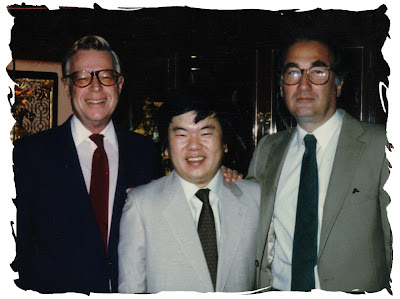
Iizuka's job was to keep the whole thing moving on a broadcast schedule. He had been doing exactly this work, at exactly this volume, for Rankin/Bass since the early 1970s. By the time ThunderCats wrapped he had supervised the Japanese production of dozens of Rankin/Bass specials and series, including the Animagic stop-motion titles that filled the holiday-special lineup of the 1960s and 70s, and was, in the producer Rick Goldschmidt's phrase, simply "the Rankin/Bass Producer/Director in Japan." A photograph taken at New York's Museum of Television and Radio in 2003 shows him standing between Arthur Rankin Jr. and Jules Bass at an event honouring Rankin's body of work; he looks comfortable there because by that point he had been the third leg of the operation for thirty years.
The Disney chapter
In 1988, the Walt Disney Company bought Pacific Animation Corporation. The studio was renamed Walt Disney Animation Japan and was eventually folded into the new-and-modernised facilities Disney built in 1991, with the producer Motoyoshi Tokunaga, an ex-TMS man, brought in to run the post-acquisition operation. Iizuka stayed on. Several of the PAC animators stayed with him.
The studio's expertise, fluid action animation, strong vehicle and effects work, a willingness to grind through the long episode counts that American television demanded, was a near-perfect fit for Disney's TV Animation division, which had spent the 1980s building out the Disney Afternoon block: DuckTales, Chip 'n Dale Rescue Rangers, TaleSpin, Darkwing Duck, Goof Troop, Bonkers, the Aladdin and Hercules TV adaptations. Walt Disney Animation Japan handled the action sequences on the direct-to-video sequels. The Return of Jafar, Aladdin and the King of Thieves, the Lion King sequels, while Walt Disney Australia handled the comedic beats. Minoru Nishida's background paintings can be found on Darkwing Duck and Adventures of the Gummi Bears specifically; the studio's collective fingerprints are on most of the Disney Afternoon's most visually ambitious episodes.
The studio closed in June 2004 after the completion of Pooh's Heffalump Movie. 103 local animators lost their jobs. By then Disney had committed to its computer-animation pivot and the hand-drawn pipeline that had moved from Topcraft to PAC to WDAJ no longer had a customer.
Where they went next
The interesting story is what happened to the individual PAC animators in parallel to the Disney chapter, because most of them did not stay inside the Disney building. The 1980s and 90s were the boom decade of original-video-animation (OVA) anime and the founding wave of small-to-mid studios that would define the next two decades of the medium, and almost everyone on the ThunderCats credit roll had a hand in it.
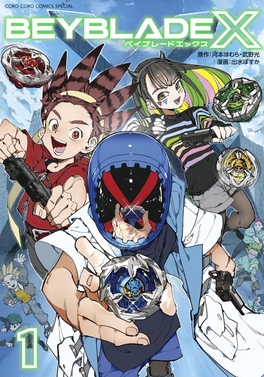
Katsuhito Akiyama was born in Furano, Hokkaido, came up as a Nippon TV documentary crewmember in the 70s, and only switched to animation in 1980 at Green Box, then went freelance in 1982. The Japan Directors Guild bio lists ThunderCats as his Chief Director credit in Japan in 1984. From there he left to direct OVAs: Gall Force: Eternal Story in 1986, Bubblegum Crisis as chief director in 1987 (his first writing credit), then a 25-year exclusive contract with AIC. He went on to direct Bastard!!, Sol Bianca, El Hazard, Battle Athletes Victory, Dual!, Guyver, Pumpkin Scissors, the Inazuma Eleven franchise for six years, and the Beyblade Burst run as chief director from 2016 through 2023's Beyblade X. The Z&G Animelab school-visit photographs of him from May 2024 (on his portfolio page) are the most recent press images of him, four decades after he took the Chief Director credit on Season 1 of ThunderCats.
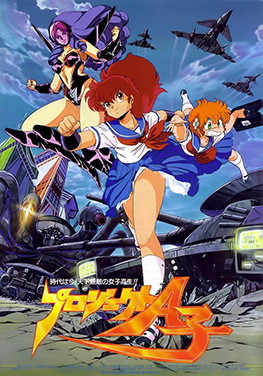
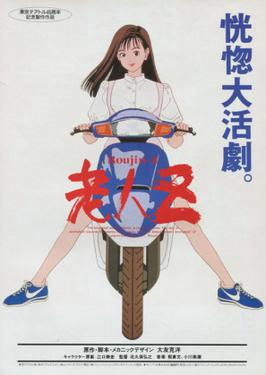
Kazufumi Nomura's studio A.P.P.P. became one of the great OVA-era boutiques: Project A-Ko in 1986, Roujin Z (Katsuhiro Otomo's post-Akira film) in 1991, Golden Boy in 1995, the Vampire Princess Miyu OVAs, Street Fighter Alpha: Generations. Toshihiko Sato's Ashi Productions made Magical Princess Minky Momo the same year ThunderCats began. Shigeo Koshi spent the 1990s and 2000s as a senior director on Doraemon, Rurouni Kenshin, Revolutionary Girl Utena and Samurai Pizza Cats. Tameo Kohanawa storyboarded and directed episodes of Urusei Yatsura and Chibi Maruko-chan. Ryo Yasumura, who came in for Seasons 2 through 4, eventually founded Seven Arcs Pictures and ran it as president from 2012 to 2019. Tsuguyuki Kubo, the senior figure who had supervised the opening, joined Studio Pierrot and contributed to Naruto and Bleach.
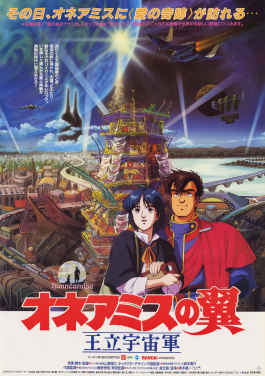
And then there is Masayuki, the 23-year-old loaner. His real name is Yamaguchi Masayuki (山口 正幸), born in Nagano Prefecture. He befriended a young animator named Hideaki Anno during the production of Royal Space Force: The Wings of Honneamise in 1987, sat down next to him at the studio and never really got up. He worked as an episode director and animator on Neon Genesis Evangelion in 1995, co-directed all three of the first Rebuild of Evangelion films, and according to several interviews edited Anno's wedding video, more than a thousand cuts of it, over six months. His career and Anno's have been parallel for nearly forty years. The ThunderCats opening was his first major credit.
The roster
Twelve portfolio pages follow. Two leads. Katsuhito Akiyama and Masaki Iizuka, and ten key animators we can substantiate by credit, role and post-ThunderCats trajectory. Pacific Animation Corporation's full credited Japanese roster runs longer than this; what is here is the layer of the crew whose careers are documented and whose work we can trace through anime history.
Some names have left almost no English-language trail and are not pulled out into individual pages. Cozy Hagiwara, Kazuko Katsui, Takahiro Yamada, Kazu Yoshihara, but they appear on the closing credits of specific episodes and are part of the broader picture. The two non-Japanese names on the show's animation roster, Seok Ki Kim (Hanho Heung-Up, Korea) and James C.Y. Wang (Wang Film Productions, Taiwan), reflect the regional outsourcing structure PAC used to absorb the episode count.
The Dentsu years
Where the relationship started
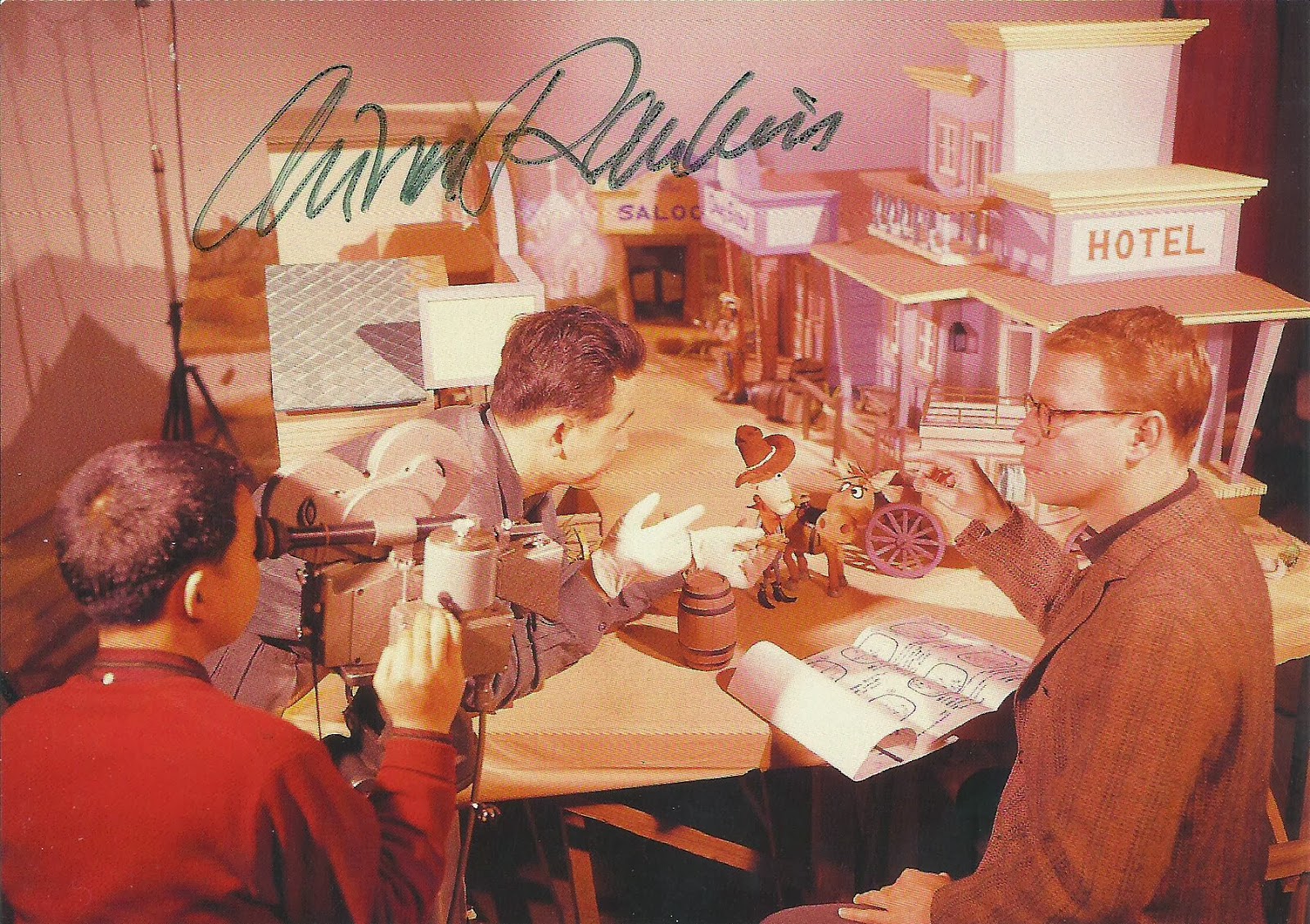
Before Pacific Animation, before Topcraft, Rankin/Bass\'s very first Japanese productions were shot at Dentsu Studio in Tokyo. This is Arthur Rankin Jr. (in suit, leaning forward, signed in green ink) directing a stop-motion shoot at Dentsu in the early 1960s, with a Japanese camera operator on the left and producer Larry Roemer on the right. The set is the Old West town from The New Adventures of Pinocchio or one of the early Videocraft puppet specials. This is the foundational scene of the entire Rankin/Bass-Japan relationship that would eventually flow through Iizuka and PAC into ThunderCats.
The addresses
Where the work actually happened
Two small Tokyo office buildings, three subway stops apart, hold the entire physical history of Topcraft and Pacific Animation. The Topcraft building still stands. PAC\'s original building was demolished in 1990 and replaced by the office tower currently occupying the address.

阿佐ヶ谷第7スカイビル 2F · 杉並区阿佐谷南1丁目18番6号
Asagaya 7th Sky Building, second floor · 1-18-6 Asagaya Minami, Suginami
Topcraft tenure: 1 April 1973 to 15 June 1985
The studio moved here in April 1973 after relocating from Koenji. The first floor was an electronics retailer in the 70s; by 2023 it had become a discount-tags shop, but the bronze address plaque and the 2F walkup are unchanged. The Hobbit (1977), The Stingiest Man in Town (1978), The Return of the King (1980), The Last Unicorn (1982), Flight of Dragons (1982) and Nausicäa of the Valley of the Wind (1984) were all drawn upstairs from this entrance. Photograph by Instagram user soldier_in_blue, May 2023.
本町ビル 2F · 杉並区松庵3丁目40番12号
Honchō Building, second floor · 3-40-12 Shōan, Suginami (Nishi-Ogikubo station, 2 min walk)
PAC tenure: May 1983 to 1988; WDAJ tenure: 1988 to ~1990
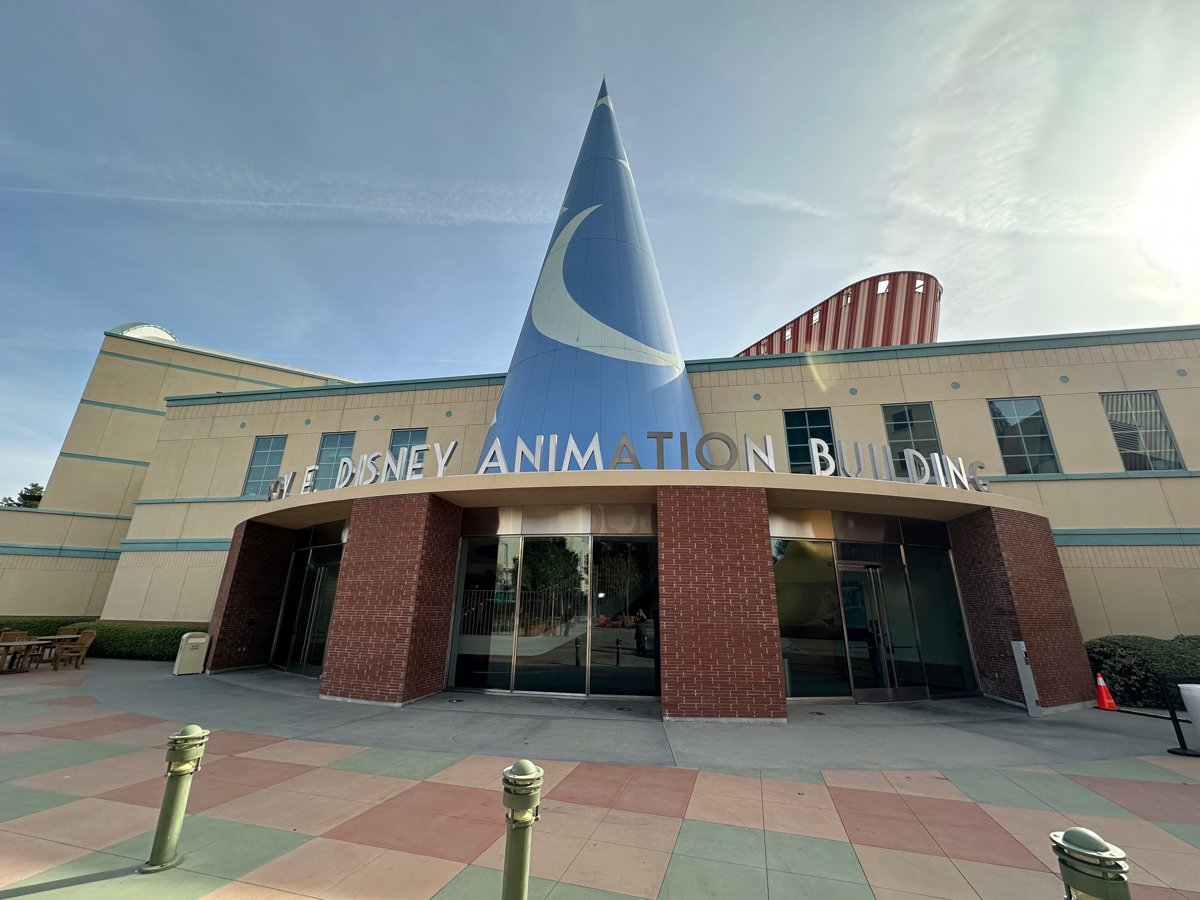
PAC operated from the second floor of an older building at this address from its founding in May 1983 until Walt Disney bought the studio in 1988. The original Showa-era building was demolished and the current 9-storey 西荻窪本町ビル (pictured above, in the WDAJ stage of its history) was completed in June 1990. PAC sat in Suginami\'s Shōan district, three stations west of Topcraft\'s Asagaya offices on the JR Chūō line, in the same Tokyo "animation belt" where Studio Ghibli, A.P.P.P. (Nomura), Ashi Productions (Sato) and dozens of other small post-Topcraft studios clustered. (The pictured building is the WDAJ successor; we are still chasing a photograph of the original PAC structure.)
First-person testimony about the Topcraft Asagaya floor in this section\'s detail comes from Mocon-san\'s Garden, an ongoing memoir (12 entries to date) by a Topcraft animator who worked at the studio from 1972 to 1983. Topcraft address detail per Japanese Wikipedia; PAC address per the corporate registry filing.
A small selection
What the room was making, on either side of ThunderCats
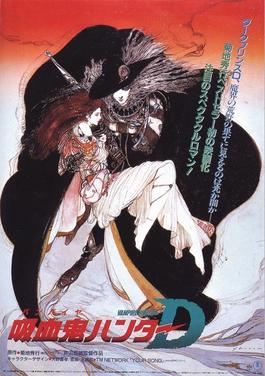
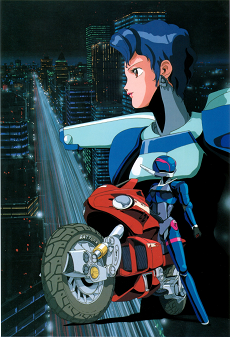
The studios PAC alumni came from and went to. Topcraft\'s late-period Rankin/Bass features sit on the left of the timeline; the post-PAC OVA-era titles by the same people sit on the right.

Portfolios
The twelve we built pages for
Click any name for the full bio, ThunderCats episode involvement, and a portfolio of their post-ThunderCats work.
- Katsuhito Akiyama Director / Animation Staff Lead director on Season 1. Went on to direct Bubblegum Crisis, Gall Force, Bastard!! and the seven-season Beyblade Burst run that is still in production today. View portfolio ›
- Masaki Iizuka In Charge of Production Co-founded Pacific Animation in 1983 after Topcraft began winding down. Stayed at the helm through the Disney acquisition and the Walt Disney Animation Japan years. View portfolio ›
- Tsuguyuki Kubo Character Designer / Supervising Animator Topcraft board member and character-design pillar. Animated the Speed Racer opening at Tatsunoko in the 60s; supervised the ThunderCats opening sequence in the 80s. View portfolio ›
- Masayuki Opening Sequence Key Animator Key-animated the 75-second ThunderCats opening (every cut except the Mumm-Ra cuts and effects) at age 23, on loan from Studio Giants. Later became Hideaki Anno's closest collaborator at Gainax and Khara. View portfolio ›
- Minoru Nishida Background Artist Mushi Productions veteran (joined Tezuka's studio in 1964). Painted backgrounds across ThunderCats, then Darkwing Duck and Gummi Bears under Disney, then Superman: TAS and Kill Bill Vol. 1. View portfolio ›
- Kazufumi Nomura Animation Staff (Season 1) Founded A.P.P.P. in June 1984, the studio that would go on to make Project A-Ko, Roujin Z, Golden Boy and Vampire Princess Miyu. Died June 2021. View portfolio ›
- Toshihiko Sato Animation Staff (Eps 1, 3–7) Co-founded Ashi Productions in 1975 (now Production Reed). Worked on Vampire Hunter D the same year ThunderCats launched. View portfolio ›
- Shigeo Koshi Animation Staff (Season 2) Long-running Doraemon director. Storyboard and episode credits on Revolutionary Girl Utena, Rurouni Kenshin and Samurai Pizza Cats. View portfolio ›
- Yuji Yatabe Animation Staff (all four seasons) The Rankin/Bass mainstay. Worked every season of ThunderCats, then SilverHawks, The Comic Strip and M.A.S.K. without a break. View portfolio ›
- Tameo Kohanawa Animation Staff (Seasons 3 & 4) Animator since the mid-60s. Directed Iga no Kabamaru, Bit the Cupid, Hello Kitty no Cinderella and 11 Piki no Neko to Ahoudori. Storyboarded across Chibi Maruko-chan and Urusei Yatsura. View portfolio ›
- Ryo Yasumura Animation Staff (Seasons 2–4) Storyboard credits on Macross, Mospeada and VOTOMS in the 80s. Later founded and ran Seven Arcs Pictures (2012–2019). Directed Trinity Seven and Raven of the Inner Palace. View portfolio ›
- Akihiko Takahashi Animation Staff (Season 1) PAC animator who moved between key animation, art direction and cinematography across the studio's Rankin/Bass output. View portfolio ›
Sources used in this feature
- ThunderCats Wiki. Crew Credits (full credited roster by episode)
- Wikipedia. Topcraft (studio history, Ghibli succession, dissolution date)
- Wikipedia. ThunderCats (1985 TV series)
- Charles Brubaker, "The Japanese Studios of Rankin/Bass". Cartoon Research, 2014
- TV Tropes. Pacific Animation Corporation (creator page)
- Disney Wiki. Walt Disney Animation Japan
- Rick Goldschmidt, "Masaki Iizuka remembered". Rankin/Bass Historian blog, 2020
- Anime News Network. Katsuhito Akiyama encyclopedia entry
- Catsuka, "Happy 40th anniversary to ThunderCats. Opening animated by Masayuki who was only 22 years old at the time."
- Newtype USA, vol. 6 no. 10, October 2007. Akiyama profile (cited in Wikipedia Akiyama entry)
- Clements & McCarthy, The Anime Encyclopedia: A Guide to Japanese Animation Since 1917 (Stone Bridge Press, 2006)
- Japan Directors Guild. Akiyama Katsuhito (definitive biography with Furano + Star Eizō + Green Box detail)
- Sakuga Wiki (作画@wiki), 摩砂雪 (scene-by-scene attribution of the ThunderCats opening)
- Sakuga Wiki, 窪詔之 (definitive Japanese-language Kubo credit list)
- Wikipedia (日本語), トップクラフト (Topcraft history; confirms Iizuka kanji 正樹 and Kubo proposed studio name)
- Rainbow Squad Robin fan tribute, 窪詔之さんのこと (sourced from Animage Feb 1976 interview)
- Z&G Animelab. Akiyama school visit, 18 May 2024 (recent Akiyama photographs)