
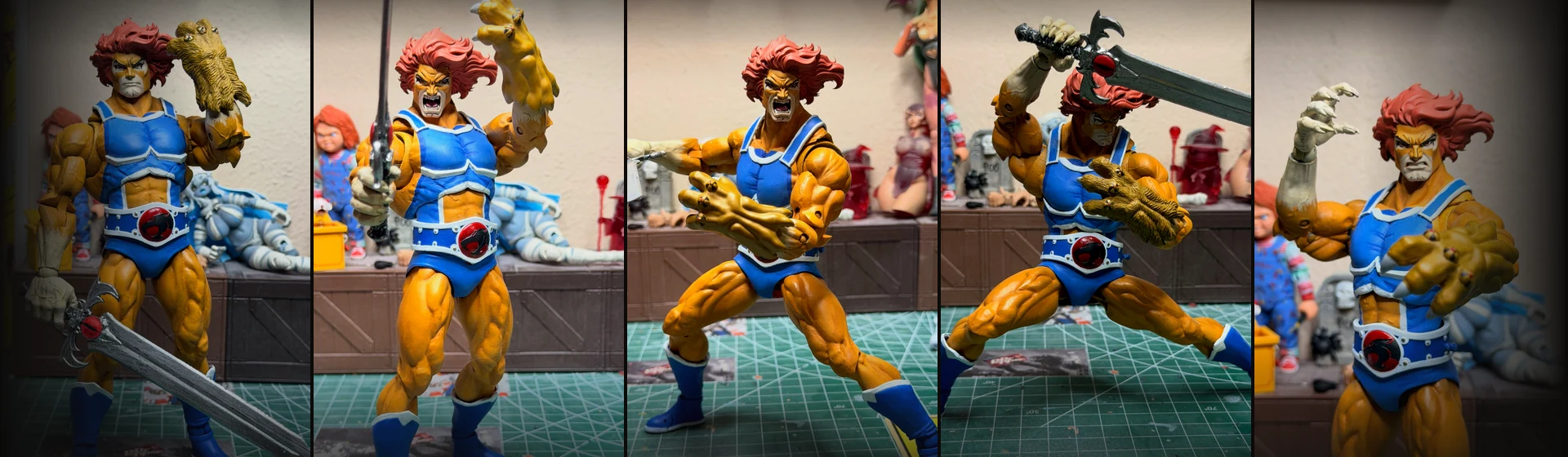
Featured Artist: The Ed McGuinness Lion-O Nobody Ever Made
Photograph by Joshua Gonzales / caveman_comics95
featured artists
Joshua Gonzales has been kitbashing figures since 2020. His new Lion-O chases the same Ed McGuinness cover that Pop Culture Shock chased in 2010, and he scrapped an entire earlier build to get there. He walked us through the fodder bin, the Vallejo paints, and the head he had to print himself.
Some links in this post are affiliate links that support thundercats.org.
There is a specific Lion-O that lives in the heads of a certain kind of fan. Not the model sheet. Not the 2011 redesign. The one Ed McGuinness drew for Wildstorm in 2002: shoulders like continents, a jaw you could park a car on, a body built to look like nothing in the universe could dent it. Pop Culture Shock chased that Lion-O in 2010 and turned it into a 32 inch statue. Nobody has ever put it on a shelf at six inches.
Joshua Gonzales did, for himself, in his living room, out of a bin of spare parts.
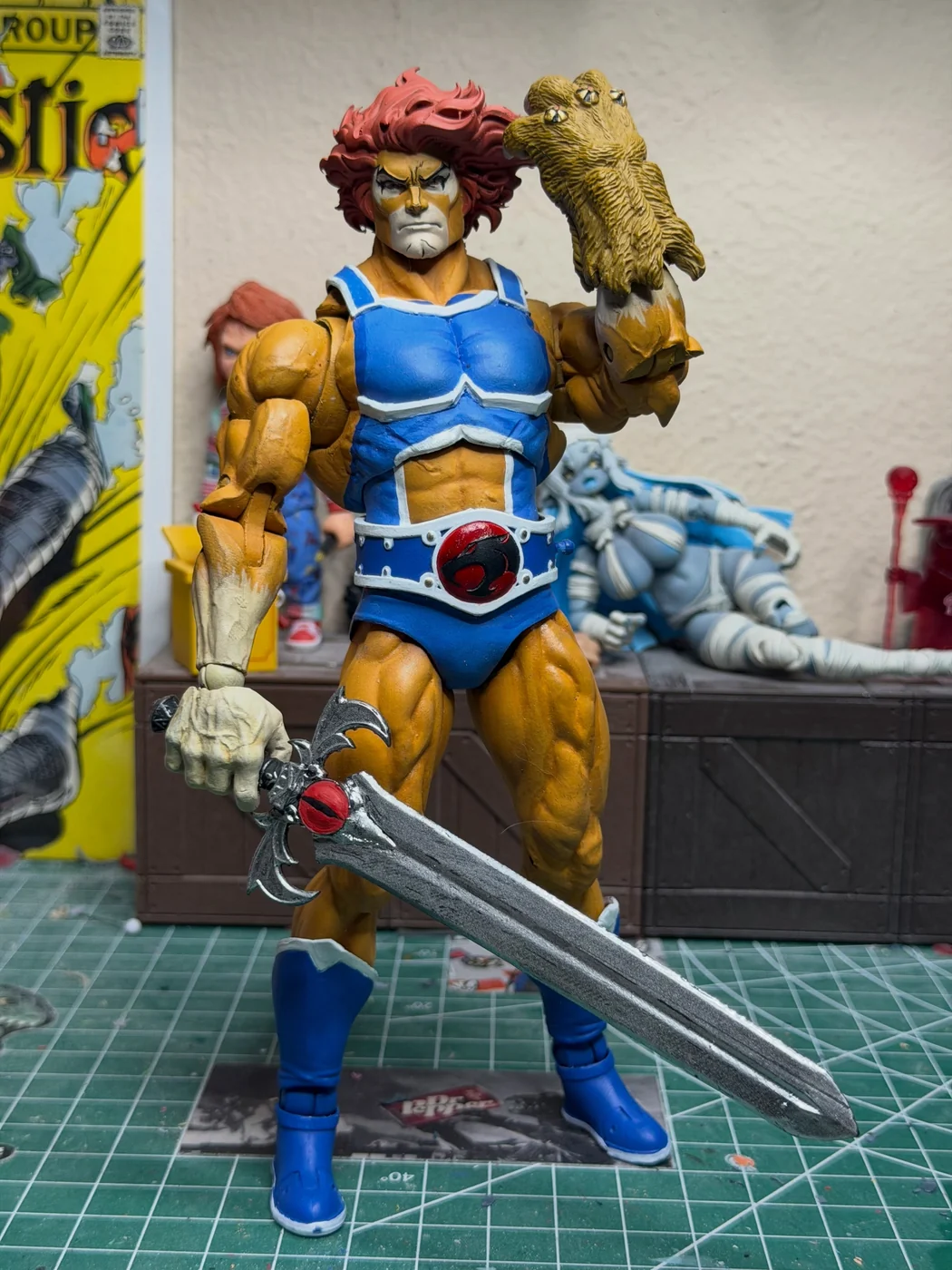
- Artist: Joshua Gonzales
- Instagram: @caveman_comics95
- Customs, repaints and kitbashes since 2020
- Lion-O posted 13 August 2026
- Personal build, not a commission
He scrapped a whole Lion-O to get this one
The thing that makes this build worth writing about is not the paint, although the paint is very good. It is that he had already made a Lion-O and threw it away.
We asked whether the McGuinness art was the target. It was, and he did not hedge:
That word, indestructible, is the whole brief. It is also exactly what a six inch articulated figure fights against, because articulation wants to break a body into segments and McGuinness wants it to read as one carved block.
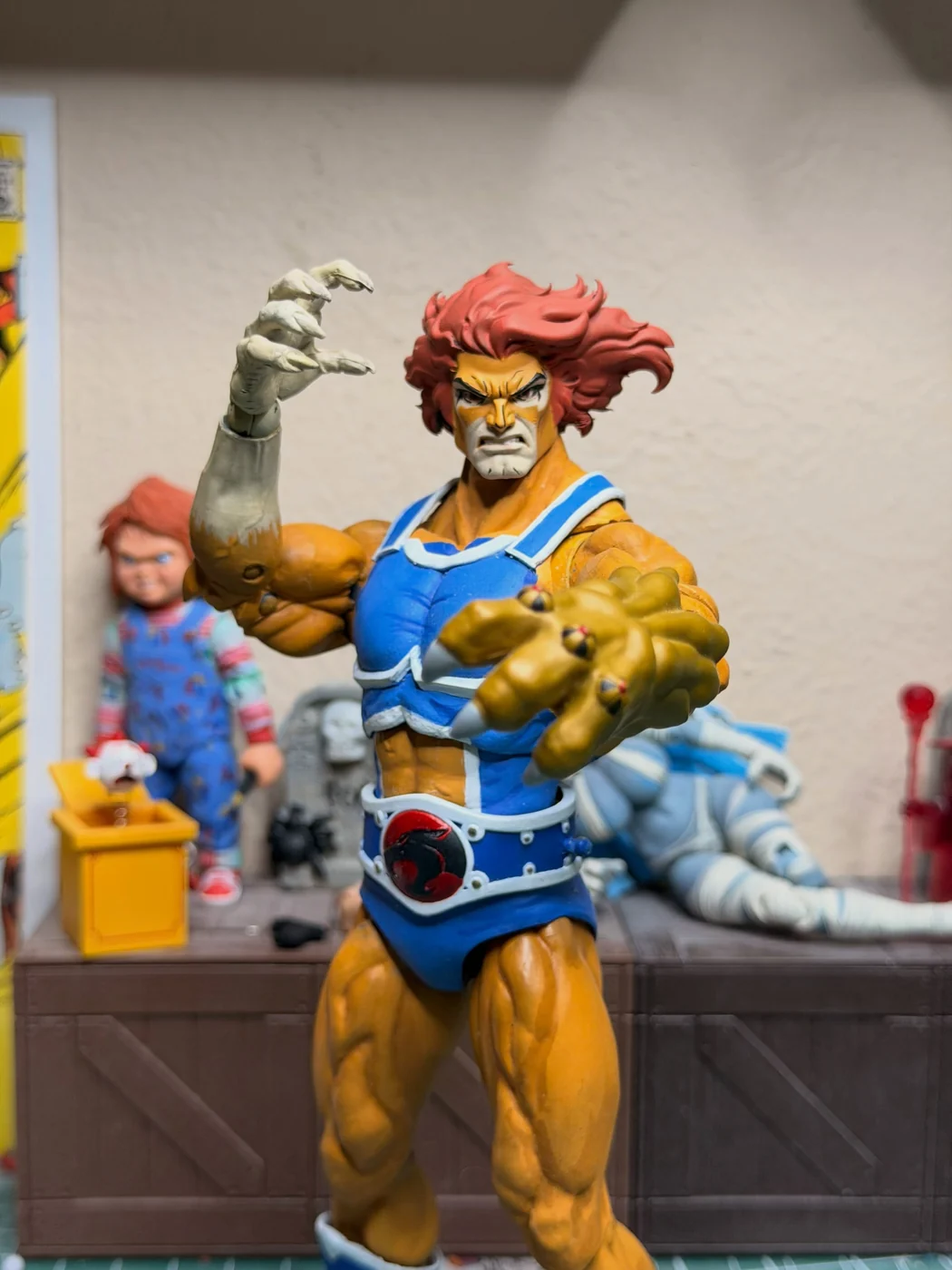
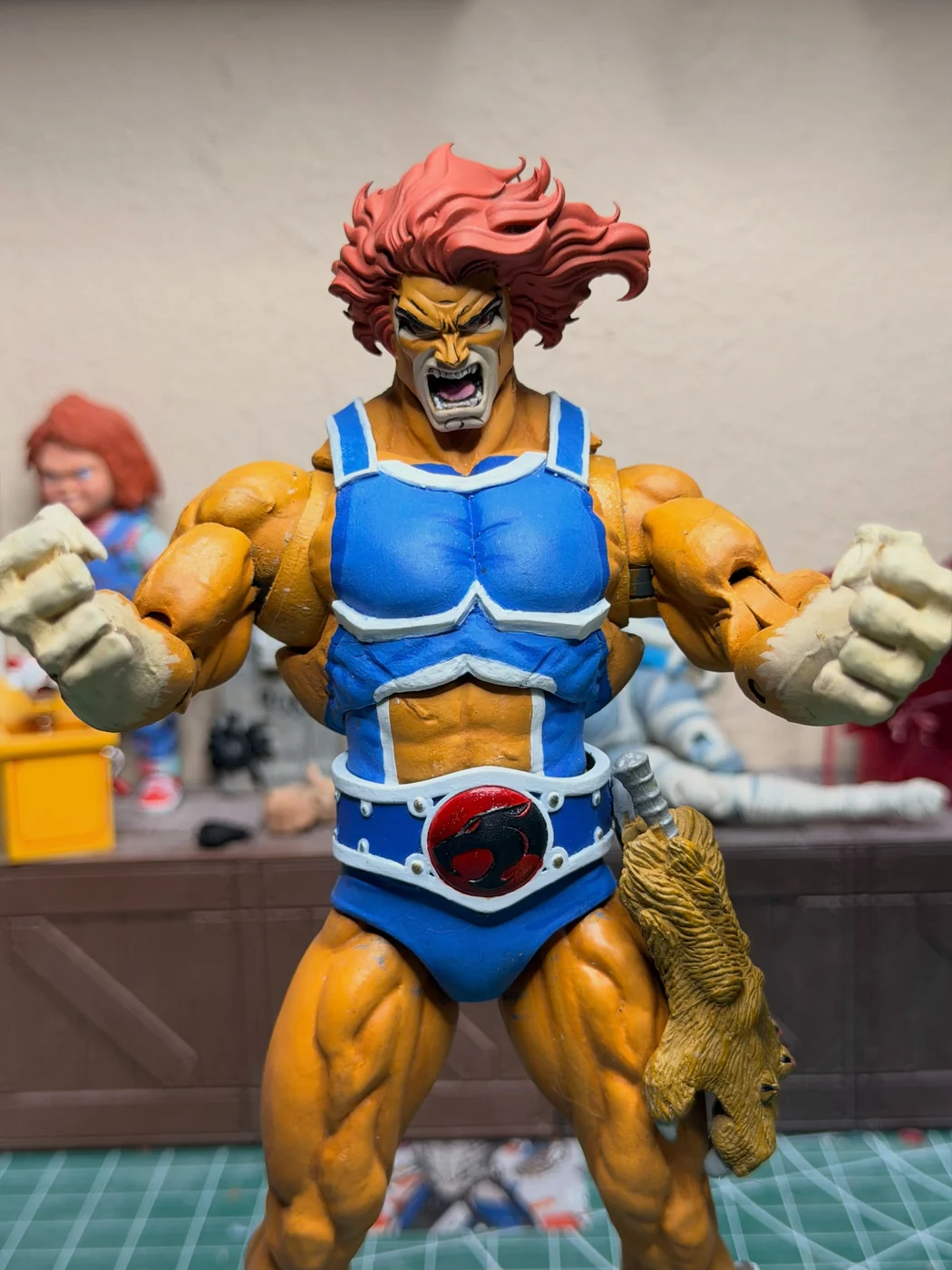
The head has a credit we cannot give. Joshua did not sculpt it. He bought the STL files on Cults3D in October or November of last year and printed them himself. When we asked for the sculptor’s name so we could credit them properly, he went back to look and the listing was gone. So the sculptor of this head is currently unknown to us, and we would rather say that than guess. If you recognise the sculpt, tell us in the forum and we will add the credit.
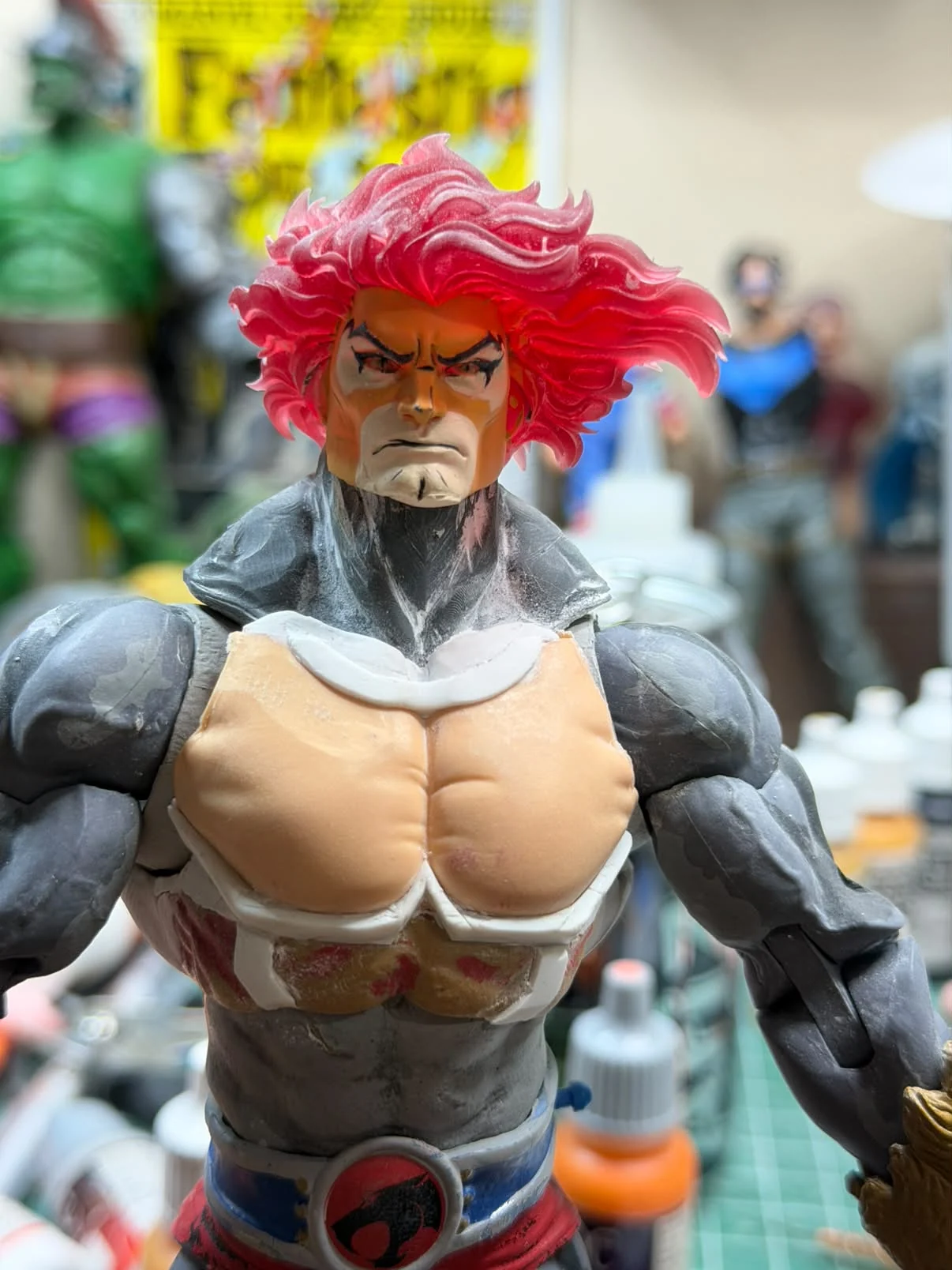
Printing heads is not a one off for him either. His profile describes him as “just getting started with 3D printing and sculpting,” and a shot from his bench shows what that actually looks like in practice.
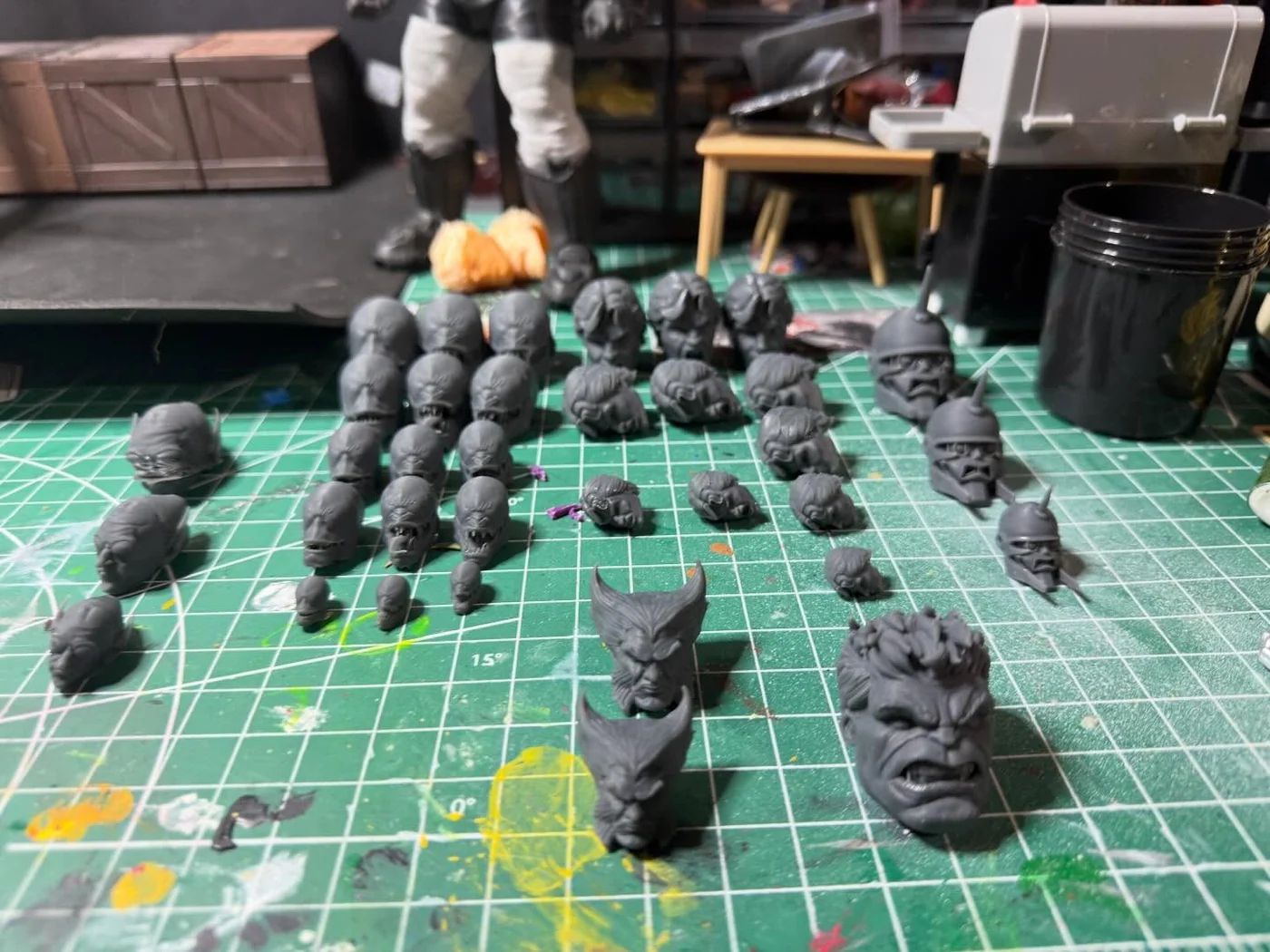
The old constraint on kitbashing was supply. You could only build what somebody had already manufactured, which is why customisers spent years hunting a single donor figure. A resin printer removes that limit for heads specifically, and heads are where likeness lives. It is the reason a McGuinness Lion-O became possible at all.
Pop Culture Shock got there first, at eight times the size
This is not the first time that cover has turned into an object.
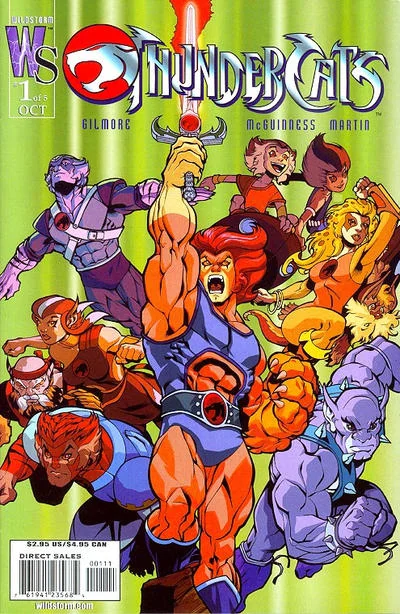
On the left, ThunderCats issue 1, Wildstorm, October 2002, pencilled by Ed McGuinness and inked by Jason Martin. There is also a dedicated McGuinness cover variant of that issue, and a McGuinness Lion-O commission in the comic art gallery. Both issue pages carry a live buy path, and the whole 2002 Wildstorm run is indexed here issue by issue: #0, #1, #2, #3, #4 and #5. If you want the cover itself rather than a print of it, that is where to start.
In 2010 Pop Culture Shock took the same source. Their 1:4 scale Lion-O was digitally sculpted by Khurram Alavi and produced by Jerry Macaluso, 32 inches from base to sword tip, 450 regular and 375 limited, at $349.99 and $374.99. Our own listing for it records the inspiration in plain terms: “Ed McGuinness stylized ThunderCats, comics by Wildstorm.” At the time it was the largest licensed ThunderCats rendering ever made, with real fabric clothing, light up eyes on the limited edition and two interchangeable swords.
So the same cover has now produced the biggest official Lion-O and, sixteen years later, a homemade one you could stand next to a Super7 release. One cost $374.99 and sold 375 units. The other cost whatever the parts bin cost, and there is exactly one.
The difference is that the statue never had to move. A statue can carry McGuinness proportions because it is one pose forever. This one has to hold the look through a full range, and it does.
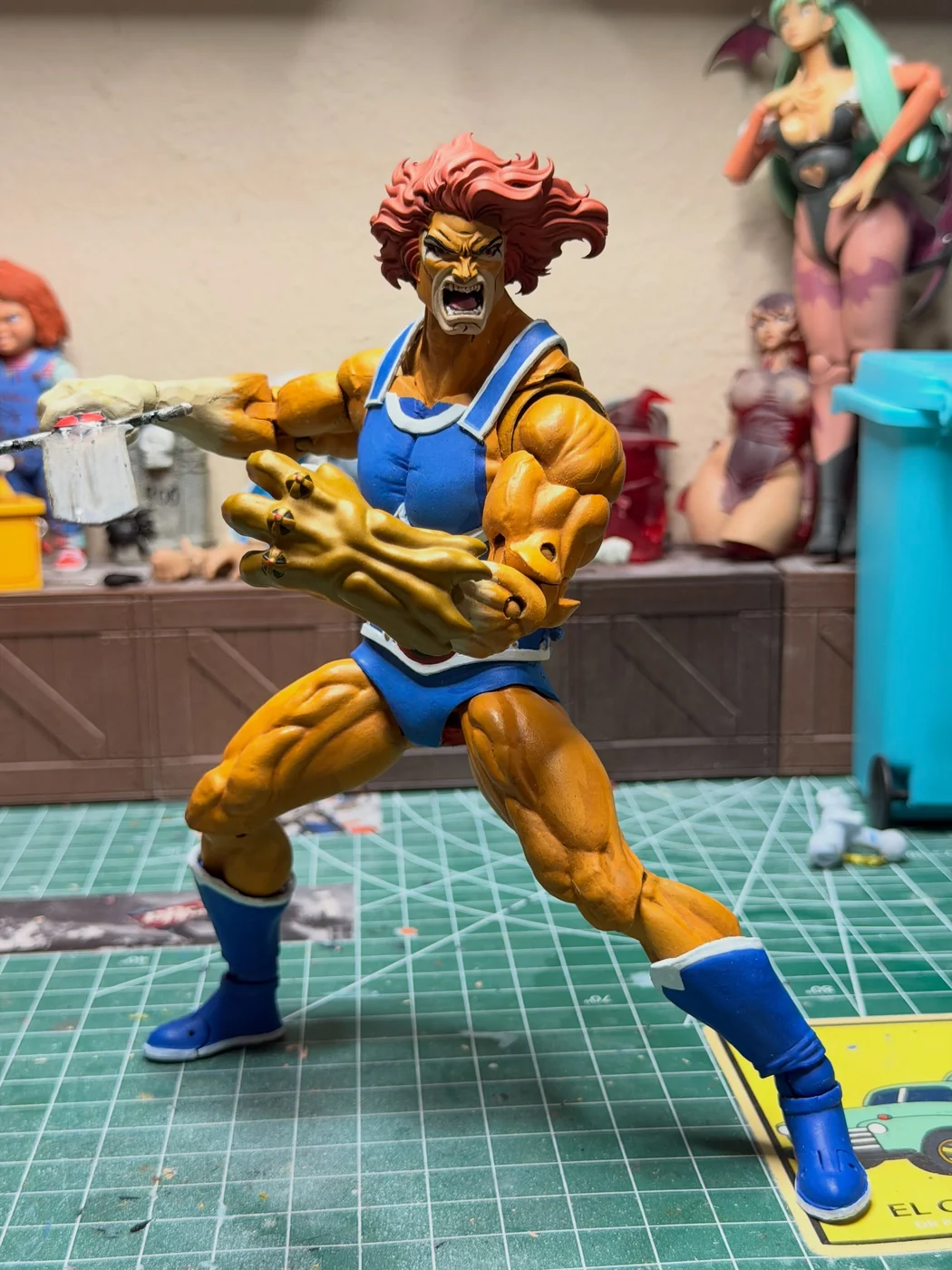
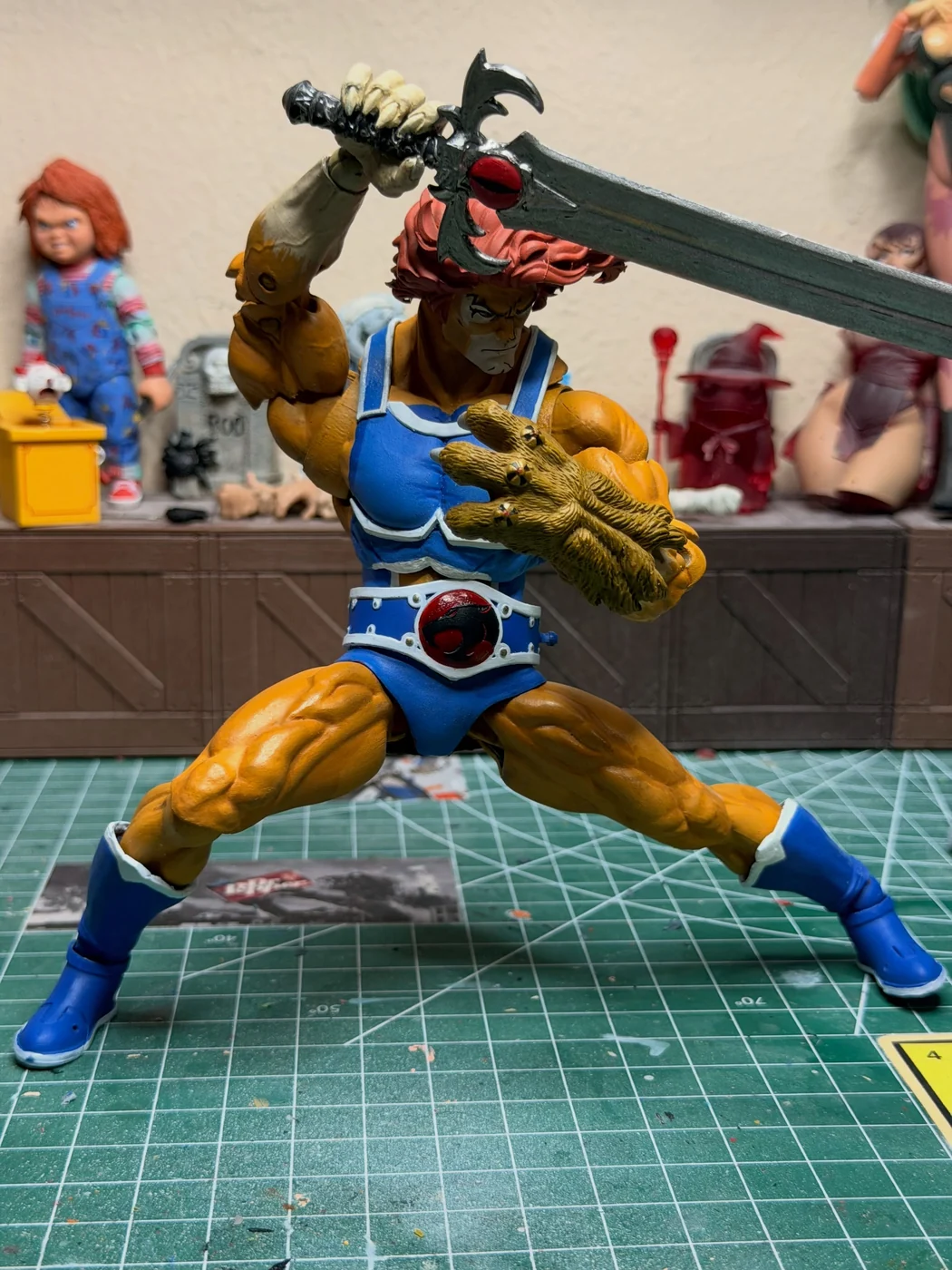
Wide stance, deep lunge, both arms working, and the torso still reads as a single carved block from every angle. That is the part that is hard, and it is a fodder-bin decision rather than a paint decision: the parts had to be chosen so the joints fall where the bulk hides them.
Joshua put the finished figure on a turntable and shot a full rotation, which is the only fair way to judge a kitbash. Watch the back: the shoulders, the cape line of the mane and the seam where the torso meets the trunks all have to survive a side and rear view, and that is where most customs come apart.
How he actually builds them
We asked Joshua to describe his method, from visualising a character to finding the parts. His answer, in full:
Three things in there are worth pulling out, because they are the difference between a custom that survives handling and one that does not.
The fodder bin is the design tool. He does not start from a plan and go shopping. He starts from a head and lets the bin propose a body. That is why the proportions land: the torso was chosen because it already read as McGuinness, not because it was forced there afterwards.
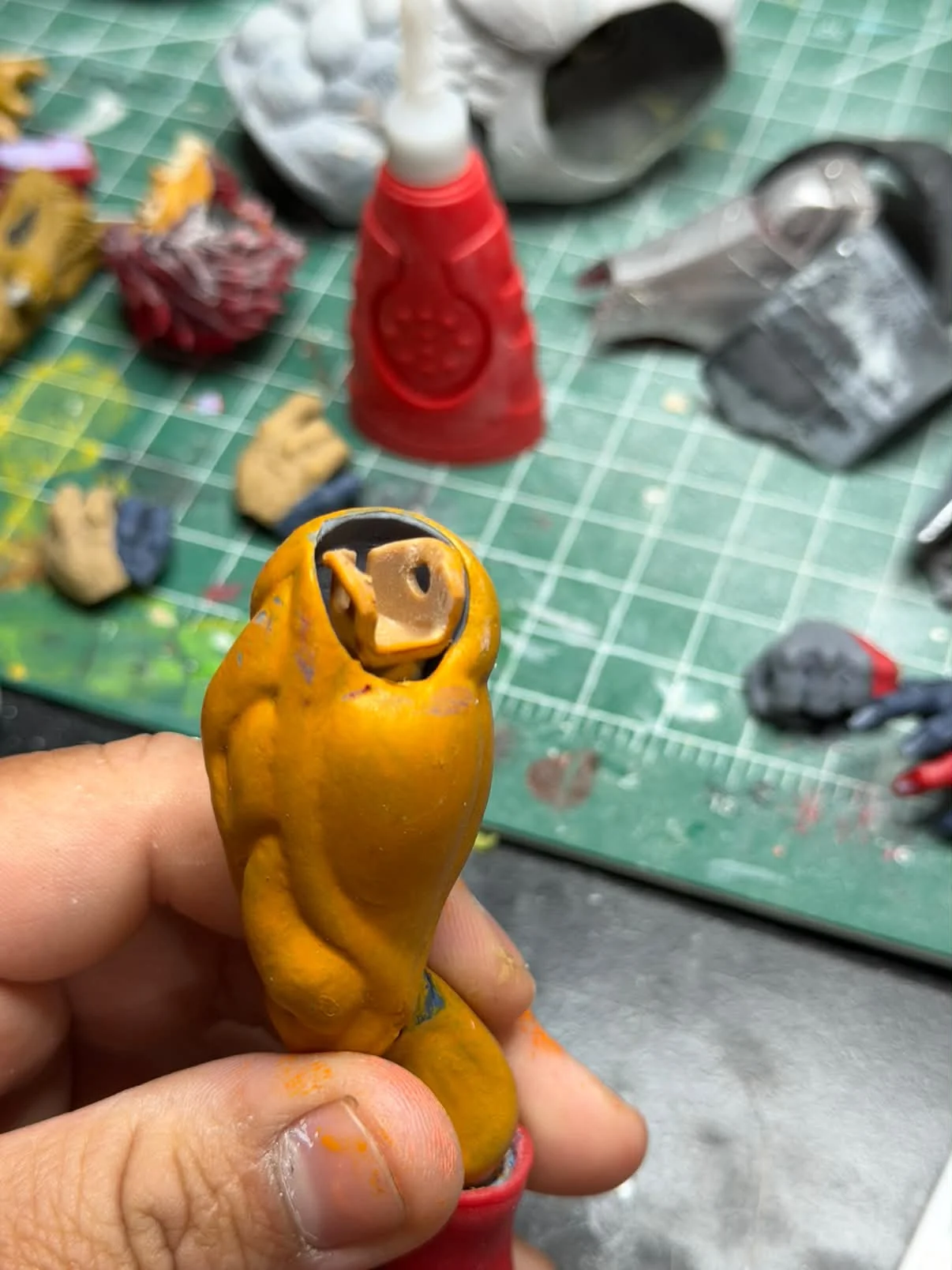
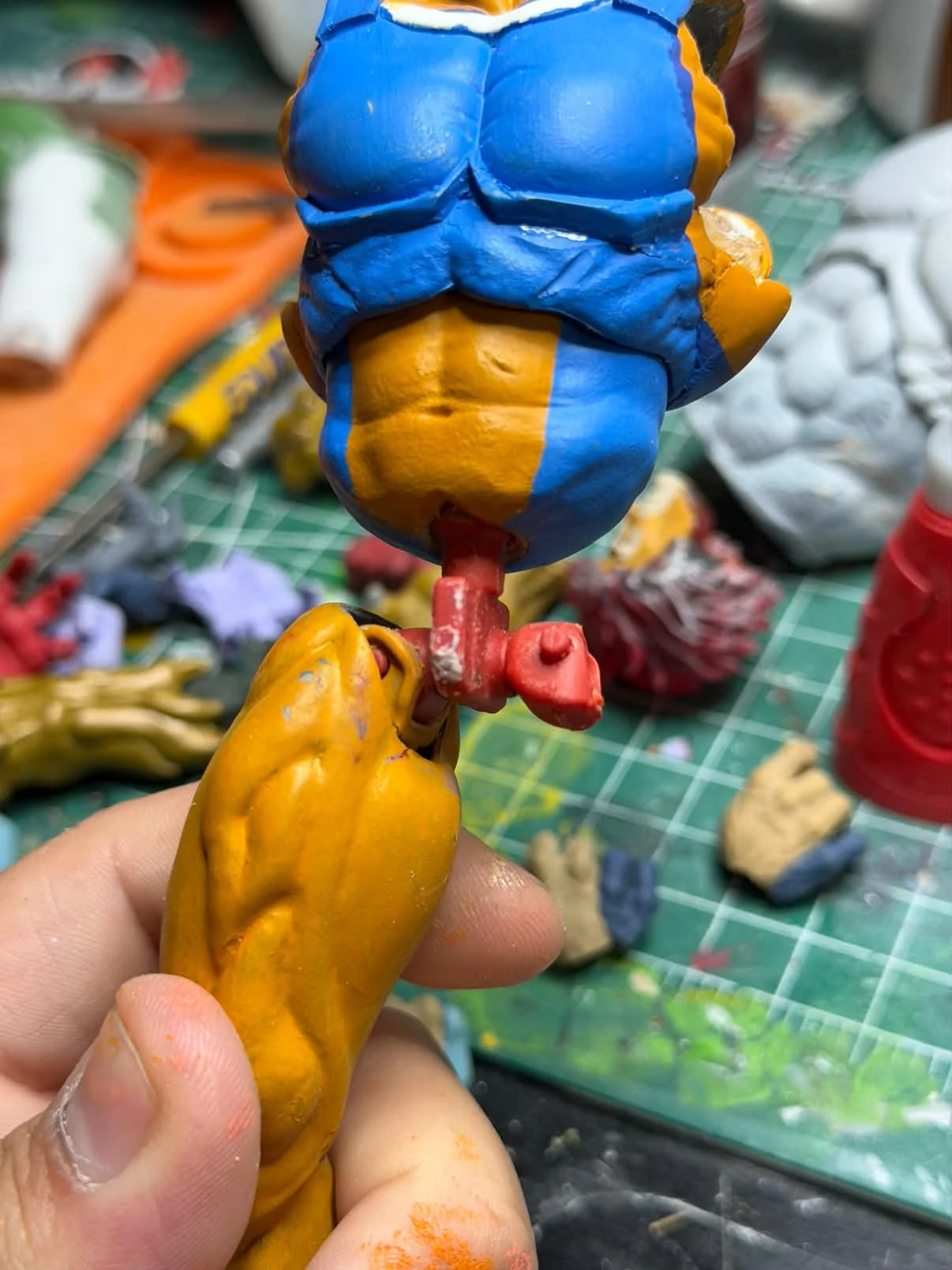
Engineering the parts is a normal step, not a failure. “If I really like a part that doesn’t fit together, I’ll have to engineer the parts to make them work together.” That is a sentence about pegs, drilling and heat, and it is the step most first attempts skip.
The wash is the part nobody photographs. Warm water and Dawn, to strip factory oils and top coats, plus making sure every joint is rub free before a drop of paint goes on. Paint fails on customs for the same two reasons every time: it went onto a greasy surface, or it went into a joint that then scraped it off. He then paints in Vallejo, which is the acrylic range most figure customisers settle on because it thins cleanly and does not fight a brush.
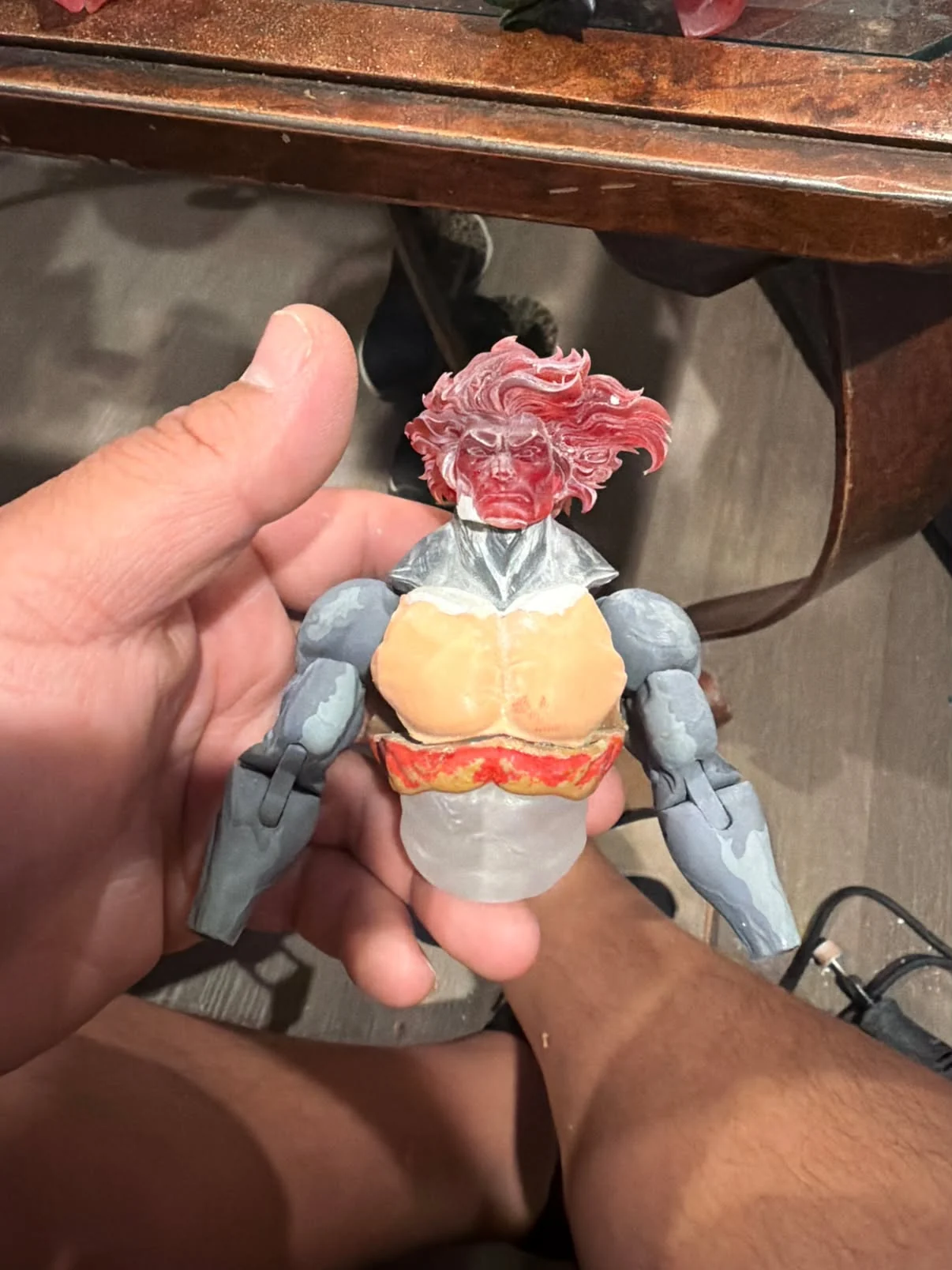
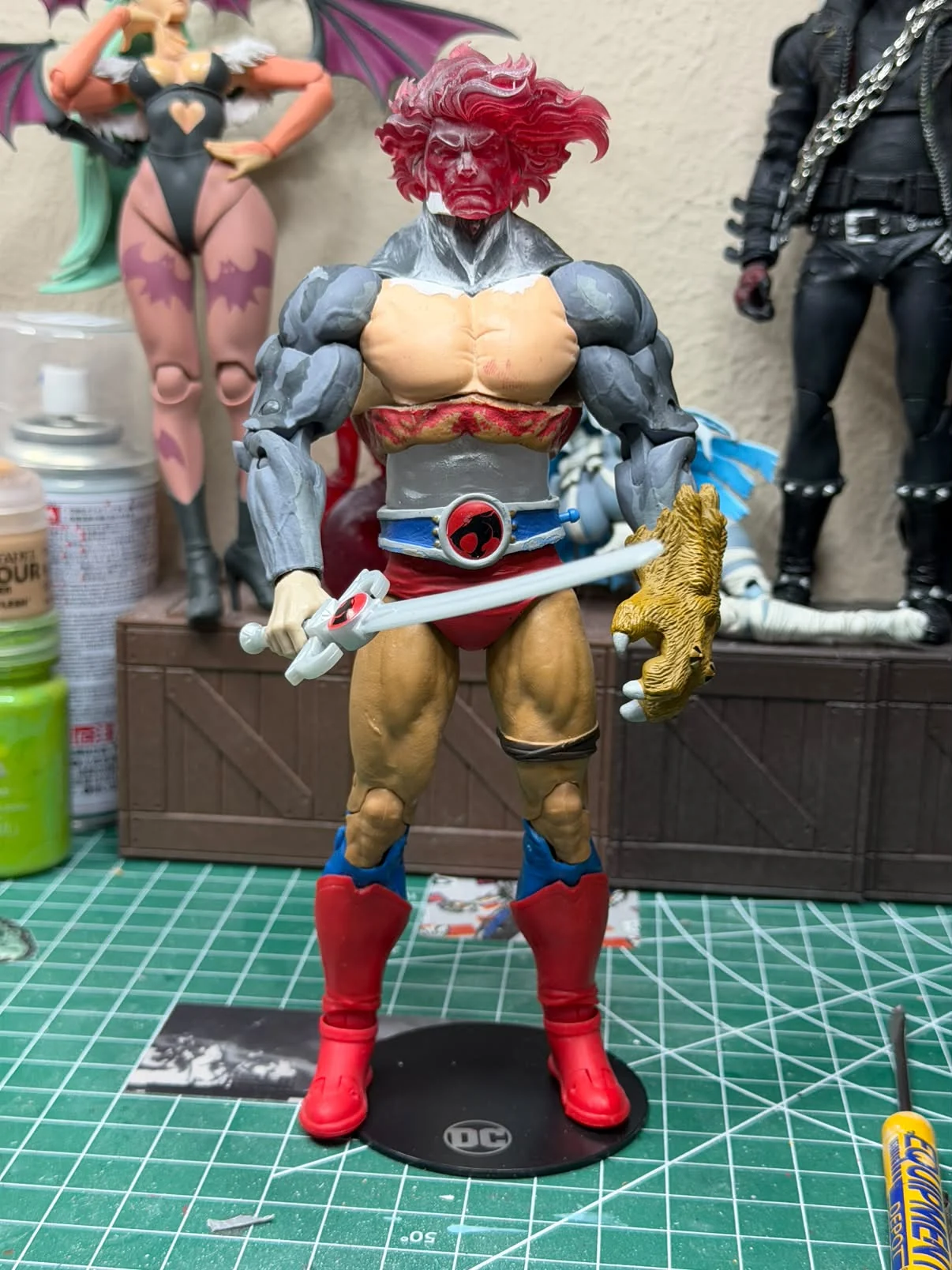
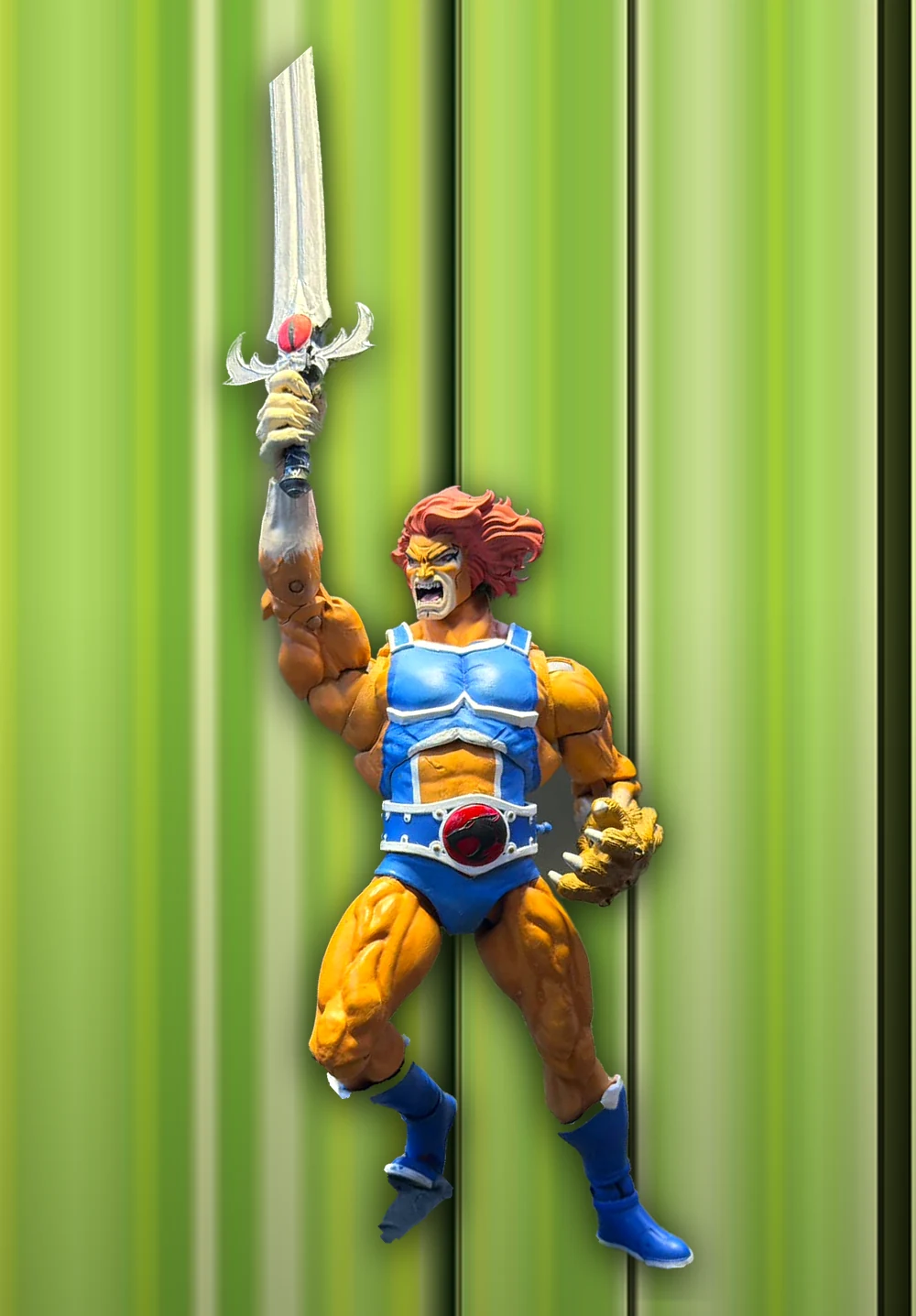
The work in progress shots are the good part. The head goes on first as a raw red print. The arms sit unpainted and grey for a long time. The Sword of Omens and the claw shield are already in place while most of the body is still primer, so he is checking the silhouette before he commits to colour. In the middle of it the figure is standing on a DC branded display base, which is the honest reality of kitbashing: the plinth is whatever was in the box.
Commissions, pricing, and getting started
If you want one, the route is direct and the honest answer on price is that there is no price list.
On taking work: “They can always reach out to me through Instagram. I’m a few months out on work right now, but they can always message me and we can talk about what they’re looking for.”
On what a custom costs: “Pricing really depends on the custom. I usually base it around the cost of the base figure, any extra parts I need, if they want a custom head sculpt, the amount of paint work involved, and how much time the custom is going to take. So there isn’t really a set price for every custom. It just depends on what goes into it.”
On how he started: “Since I was little I wanted a Batman figure, so I started tearing apart figures and trying to Frankenstein a figure together. Back then there wasn’t really much information available to help with customizing, but I remember Kyle Robinson Customs. He was an amazing customizer and had a website with tutorials. He was a big influence on me when I was starting out.”
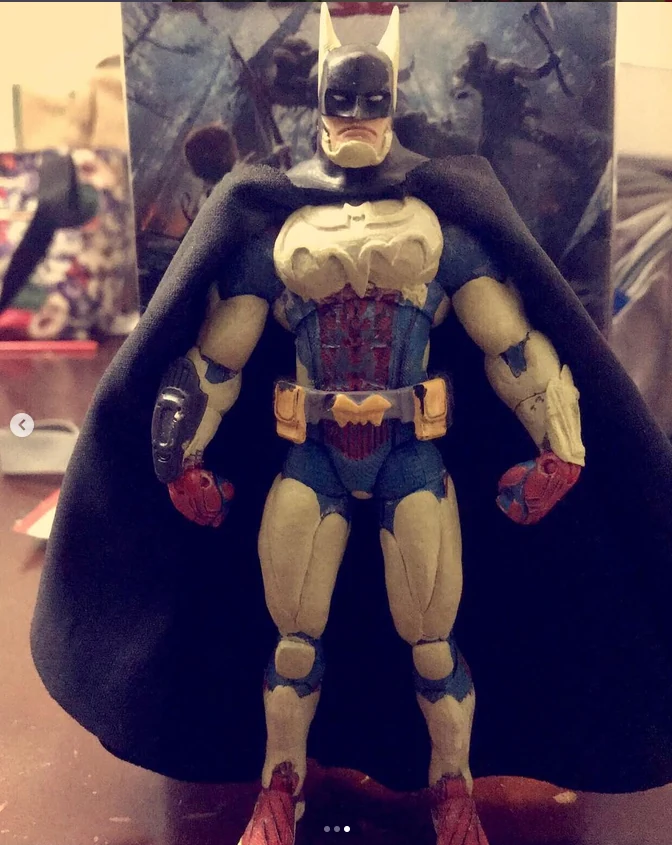
On advice for beginners: “I’d suggest finding some tutorials and mapping out what you’re going to need and what you’re going to have to do. I’d also say invest in good supplies. It’s worth it. If you’re passionate about it, or you’re just wanting a certain figure that doesn’t exist, just go for it. It might look like a mess at first, but seeing the outcome of the figure makes it worth it.”
That last clause is the reason this feature exists. A certain figure that does not exist. There has never been a six inch McGuinness Lion-O, so he made one.
What he rates, and what he is proudest of
Asked for the best custom he has seen from somebody else, he did not hesitate: the Galactuspool by Last Custom Company. “He hand sculpts everything and the paint is immaculate.”
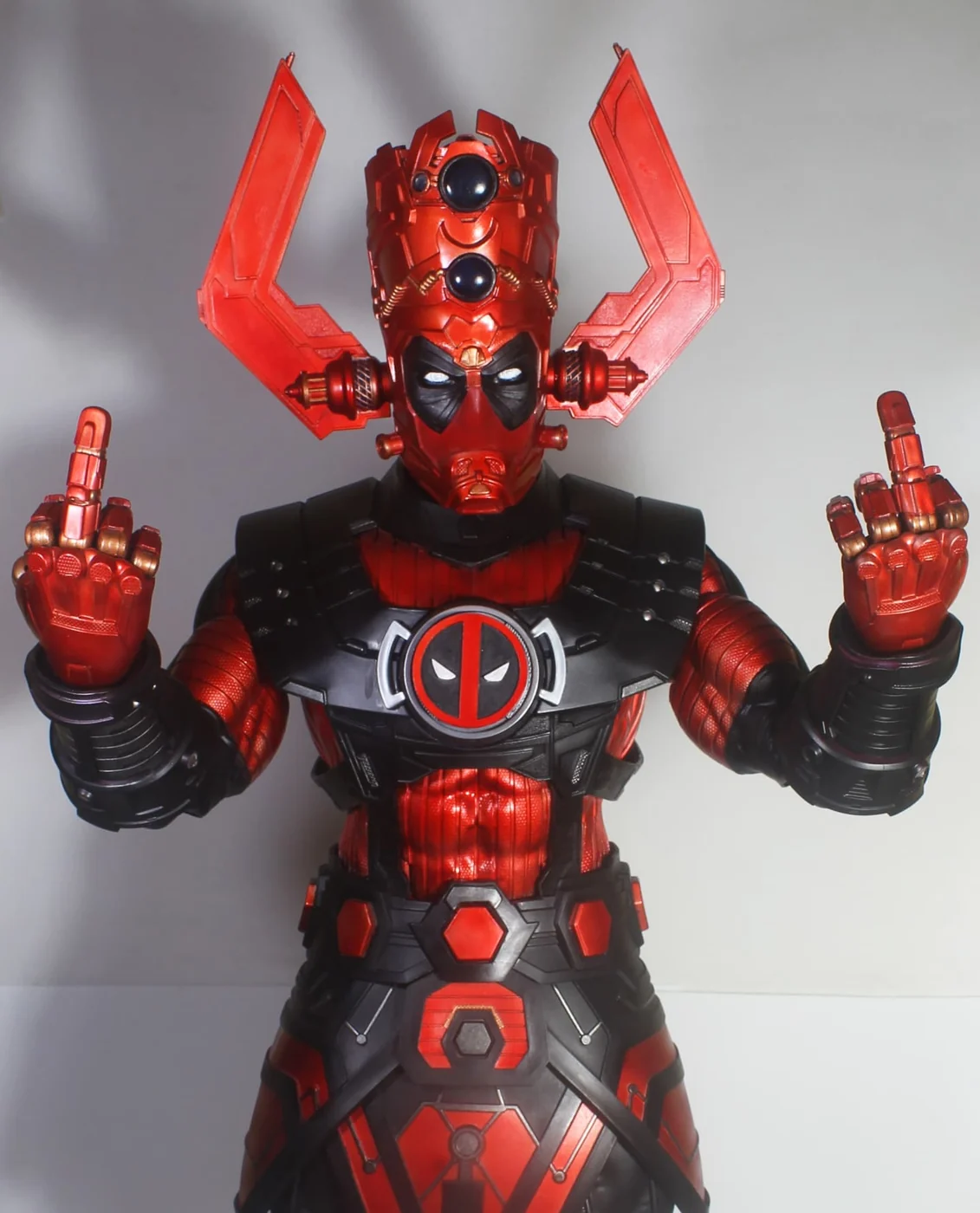
It is worth understanding why a customiser rates that one. It is not the concept, which is a decent gag. It is that the armour panelling, the helmet, the belt hexes and the boots are all hand sculpted at a scale where every flaw is magnified, and the metallic red still reads clean across the whole surface. Big pieces punish sloppy paint. That one does not have any.
His own proudest build is not the Lion-O.
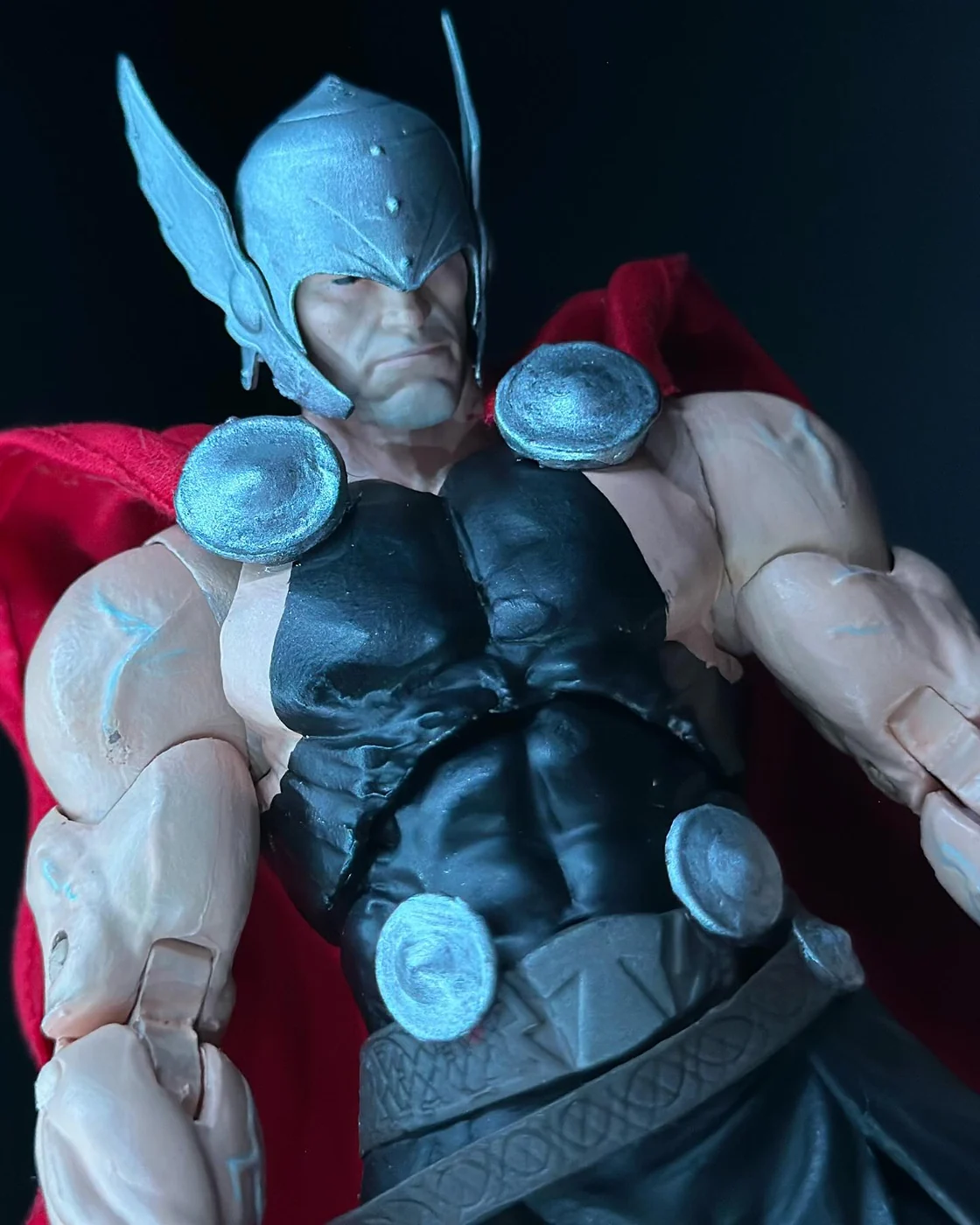
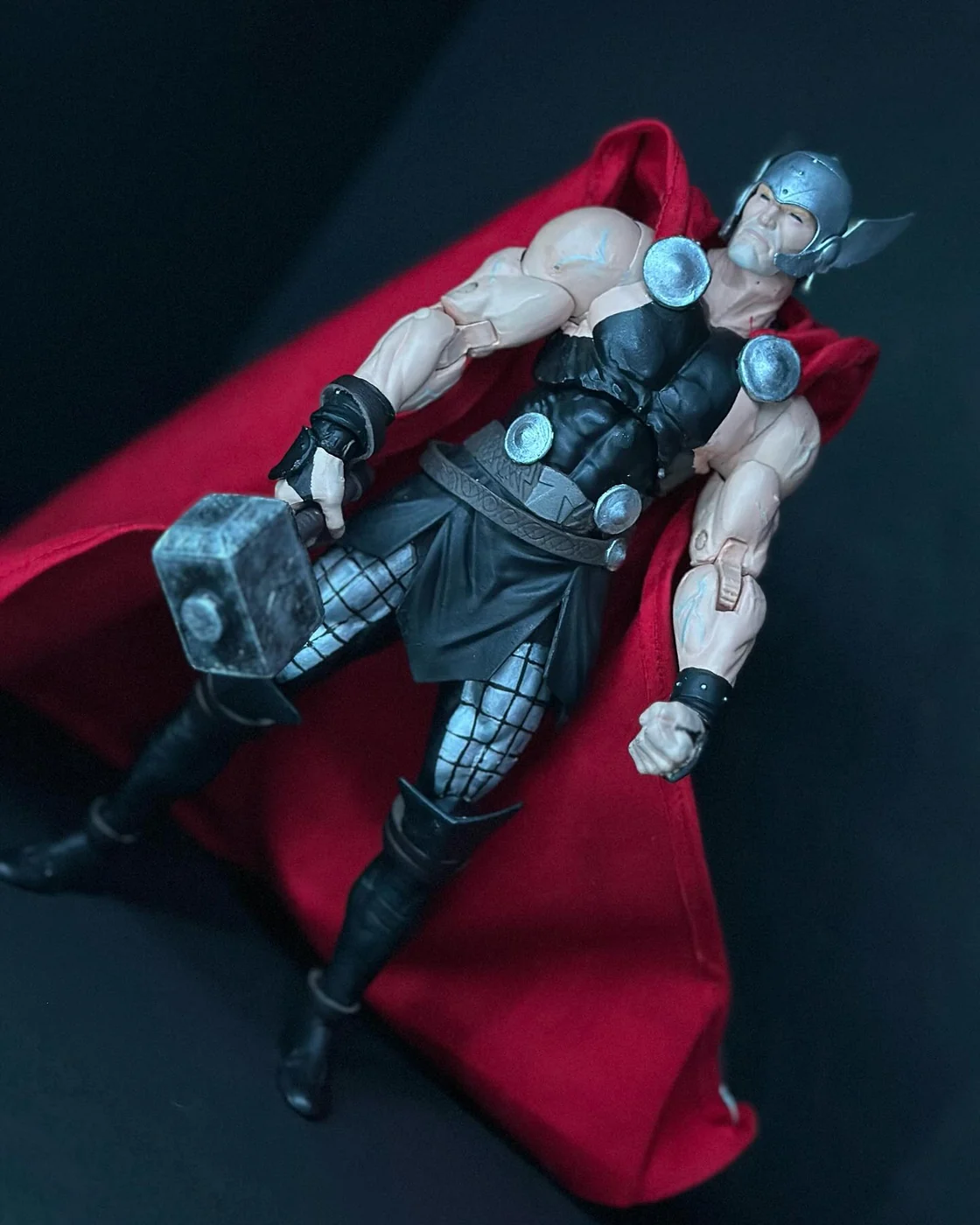
“I’m most proud of the Esad Ribic Thor. I feel like it’s spot on to the source material. Shout out to Tony Mei for the head sculpt because I feel like that really pulled everything together.”
Same pattern as the Lion-O, then. A specific artist’s rendering as the target rather than the character in general, and a head sculpt from somebody else doing the heavy lifting on likeness. What he adds is everything around it: the runed belt, the chainmail on the legs, the discs, the cloth cape, and the pale blue lightning veining running down the arms, which is a Ribic signature and the sort of detail that only exists if you went back to the page.
Put the two next to each other and the method is obvious. He is not making figures of characters. He is making figures of drawings.
The Lion-O you can just buy
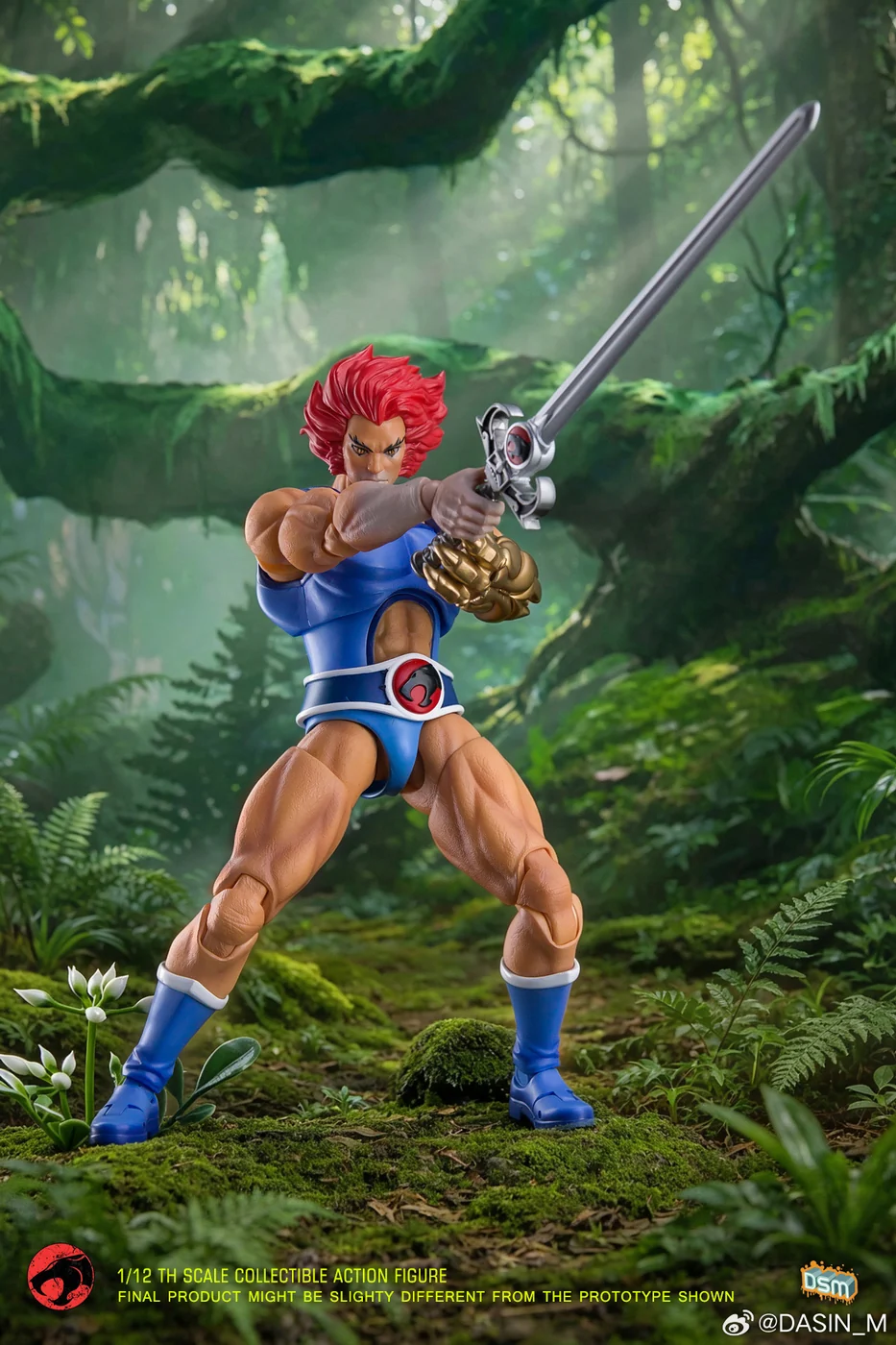
Nothing on this page is for sale, so here is the official shelf for comparison. Super7 has five different Lion-O figures buyable at BigBadToyStore as of 22 August 2026, and none of them are trying to be McGuinness.
Ver. 3 is the current classic look at $64.99. The LED Eyes release is the value pick at $46.79, down 35%. King Lion-O at $64.99 and Young Lion-O at $38.49 cover the ends of his life. The Lion-O and Berbils BBTS exclusive set is on pre-order at $149.99.
Our full catalogue of the line, wave by wave, is on the ThunderCats ULTIMATES page, the wider maker hub is at Super7, and the vintage end is in the toys archive.
Follow his work
- Instagram, @caveman_comics95, where the Lion-O and every build above first appeared
- The Lion-O post itself, 13 August 2026
- Commissions go through Instagram DM. He is a few months out.
All photographs of Joshua Gonzales' work on this page are his own and are reproduced with his permission. They remain his copyright and are not covered by any reuse licence on this site. The Galactuspool is the work of Last Custom Company and remains theirs. The ThunderCats issue 1 cover is by Ed McGuinness and Jason Martin, published by Wildstorm.
Sources
- caveman_comics95 on Instagram, profile and build posts
- Answers quoted verbatim from correspondence with Joshua Gonzales, August 2026
- ThunderCats issue 1, Wildstorm, October 2002, our comics archive
- Pop Culture Shock Lion-O statue, our statues archive
- Esad Ribic Thor head sculpt by Tony Mei, credited by the artist
- Galactuspool custom and photograph by Last Custom Company
- BigBadToyStore product listings, checked 22 August 2026

★ DISCUSSION
Join the conversation.
Comments below are mirrored on the ThunderCats.org forum. Sign in once, post anywhere.